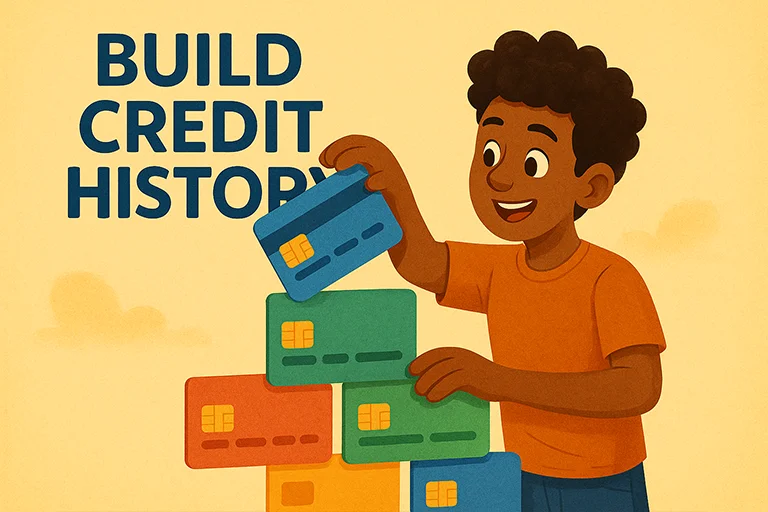
Many people, especially young earners or first-time borrowers, often wonder why credit history matters so much. The truth is, your credit history is like your financial reputation. A good credit score is essential for financial stability in India. It tells lenders how trustworthy you are when it comes to borrowing and repaying money. Without any credit history, banks and financial institutions have no way to assess your risk, which can make it harder to get loans, credit cards, or even rent a house. There are many reasons why you should build your credit history-
- Loan Approvals: Banks and NBFCs consider your CIBIL score when approving loans. Your credit history plays a major role when you apply for any type of loan personal, home, car, or even education. Banks and NBFCs check your CIBIL score to understand how reliable you are with credit. If you have no credit history, lenders can’t assess your risk level, and this often leads to either rejection or the need for a guarantor. A good credit history builds trust, making your loan approval process quicker and smoother.
- Better Interest Rates: A higher score can get you loans at lower interest rates. Having a good credit score doesn’t just help with getting your loan approved, it can also help you save money. Borrowers with higher credit scores are seen as low-risk by lenders, and in return, they are offered lower interest rates. Over time, this can mean significant savings, especially on long-term loans like home loans or education loans.
- Credit Card Eligibility: A strong credit score improves your chances of getting premium credit cards. When you apply for a credit card, especially premium ones that come with rewards, cashback, and travel benefits, issuers look at your credit score. A strong score indicates responsible financial behaviour, which boosts your chances of getting approved for high-end credit cards. On the other hand, with no credit history, your choices may be limited to basic or secured credit cards.
- Higher Credit Limits: Lenders offer better credit limits to those with a good repayment history. If you have a proven track record of timely repayments and low credit utilization, lenders are more comfortable offering you higher credit limits. This is because they trust you to manage larger amounts of credit responsibly. Higher credit limits not only increase your spending power but also improve your credit score when managed well, creating a positive cycle.
- Financial Security: A strong credit profile gives you better financial flexibility during emergencies. Life is unpredictable, and financial emergencies can arise anytime. In such situations, a strong credit history acts like a safety net. Whether you need an instant personal loan or want to use your credit card for a large expense, your credit profile determines how quickly and how much you can borrow. A good score ensures that help is available when you need it most, giving you financial peace of mind.
Ways to Build Your Credit Score from the Beginning
What's inside?
- 1 Ways to Build Your Credit Score from the Beginning
- 2 FAQs
- 2.0.1 What is building credit history?
- 2.0.2 How do I build my credit history if I have none?
- 2.0.3 How long does it take to build credit history?
- 2.0.4 How can I rebuild my credit history?
- 2.0.5 Is it OK to have no credit history?
- 2.0.6 How to generate CIBIL score for the first time?
- 2.0.7 How can I get a 900 CIBIL score?
- 2.0.8 Can I get a loan if I have no credit history?
- 2.0.9 Is 750 a good CIBIL score?
- 2.0.10 How can you get a 900 credit score?
- 2.0.11 What is the CIBIL score of Mukesh Ambani?
- 2.0.12 Can I get ₹50,000 with a 700 credit score?
- 2.0.13 How do I get a credit report if I have no credit?
- 2.0.14 How do I get a credit card if I have no credit history?
- 2.0.15 How do I fix my lack of credit history?
- 2.0.16 How to increase credit score when you have no debt?
- 2.0.17 Who is a New-to-Credit (NTC) Borrower?
Apply for a Consumer Durable Loan
- If you are new to credit, a consumer durable loan (for electronics, appliances, etc.) can be an easy way to start your credit history.
- These loans are relatively easy to get and require minimal documentation.
Make On-Time Payments
- Your payment history contributes 35% to your credit score.
- Set reminders or enable auto-pay to avoid missing EMI or credit card payments.
Credit Utilization
- Keep your credit utilization below 30% of your total limit.
- High utilization can negatively impact your CIBIL score.
Limit Credit Applications
- Each hard inquiry lowers your score. Apply for credit only when necessary.
- Too many applications in a short time indicate financial stress.
Pay Down Revolving Account Balances
- If you use credit cards, ensure you pay the full amount or at least more than the minimum due.
- Carrying high balances can harm your score.
Don’t Close Your Oldest Account (Credit Age)
- The length of your credit history affects 15% of your CIBIL score.
- Keeping old credit accounts open helps establish a long credit history.
Diversify the Types of Credit You Have
- Having different types of credit (credit cards, personal loans, etc.) helps build a solid credit profile.
- A diverse mix of credit contributes 10% to your score.
Become an Authorized User
- If a family member has a good credit history, request to be added as an authorized user on their credit card.
- This helps you benefit from their positive credit history.
Only Apply for Credit That You Need
- Avoid unnecessary credit accounts.
- Applying for too much credit can make you look risky to lenders.
Choose Buy Now Pay Later (BNPL) Option
- Many platforms like Amazon Pay Later, Flipkart Pay Later, or Zest Money report your payments to credit bureaus.
- Regular BNPL payments help in building a credit history.
Use a Co-Signer
- If you’re struggling to get a loan or credit card, a co-signer with a good credit history can improve your chances.
- Ensure timely repayment to avoid negatively impacting your co-signer’s score.
FAQs
What is building credit history?
Building credit history means establishing a record of responsible credit usage, including timely repayments and maintaining a good credit mix.
How do I build my credit history if I have none?
You can start by applying for a secured credit card, getting a small personal loan, or using a BNPL service.
How long does it take to build credit history?
It usually takes 3 to 6 months of credit activity to generate a CIBIL score, and over a year to build a strong credit profile.
How can I rebuild my credit history?
By repaying existing debts on time, maintaining low credit utilization, and avoiding frequent credit inquiries.
Is it OK to have no credit history?
Not having a credit history makes it difficult to get loans and credit cards. It’s better to build one early.
How to generate CIBIL score for the first time?
Use a credit product like a secured credit card, small loan, or BNPL service to start your credit journey.
How can I get a 900 CIBIL score?
By maintaining on-time payments, low credit utilization, a good credit mix, and a long credit history.
Can I get a loan if I have no credit history?
Yes, options include secured loans, loans against FD, or loans from fintech lenders that consider alternative credit data.
Is 750 a good CIBIL score?
Yes, a score of 750 or above is considered excellent and increases loan approval chances.
How can you get a 900 credit score?
Maintain 100% on-time payments, low utilization, diverse credit mix, and long-standing credit accounts.
What is the CIBIL score of Mukesh Ambani?
CIBIL scores are private, and such information is not publicly available.
Can I get ₹50,000 with a 700 credit score?
Yes, with a 700 CIBIL score, you are eligible for personal loans, though interest rates may vary based on other factors.
How do I get a credit report if I have no credit?
You can generate your CIBIL report on the official CIBIL website or other credit bureaus even if you have no history.
How do I get a credit card if I have no credit history?
Start with a secured credit card, a student credit card, or an entry-level credit card.
How do I fix my lack of credit history?
Apply for secured credit products, pay EMIs on time, and maintain a low credit utilization ratio.
How to increase credit score when you have no debt?
Use a credit card and pay bills on time to build a history of responsible credit usage.
Who is a New-to-Credit (NTC) Borrower?
A person who has no previous credit history and is applying for credit for the first time.

Digital marketing professional with over 10 years of experience across multiple areas including WordPress website management, email marketing, SMS marketing, Mail server administration (Linux), Google Ads, and basic programmatic advertising (DSP). With hands-on experience in content management, affiliate marketing contributes to delivering optimized digital solutions and smooth website operations.