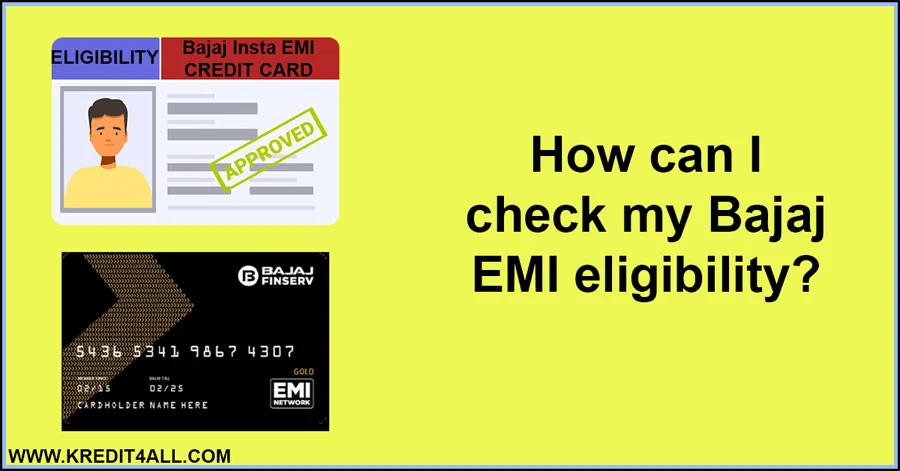

A credit card limit is the maximum amount a cardholder can spend using their credit card. It is determined by the bank based on various factors, including income, credit history, and repayment behavior.
Factors Influencing Credit Card Limits
What's inside?
- Income Level: A higher income generally results in a higher credit limit.
- Credit Score: A good credit score (750 and above) increases the chances of a higher limit.
- Repayment History: Timely payments and responsible credit usage can boost the credit limit.
- Existing Debt: If you have multiple loans, your limit might be lower.
- Type of Card: Premium credit cards usually come with higher limits.
RBI Guidelines
- As per RBI regulations, banks assess a customer’s repayment capacity before assigning a credit limit.
- Banks must inform customers about their total and available credit limits.
- Credit limit increases require customer consent.
Available Credit Card Limit
- The available credit limit is the amount left for spending after existing transactions and outstanding balances are deducted.
Example: If your total limit is Rs. 1,00,000 and you have spent Rs. 40,000, your available limit is Rs. 60,000.
Over-the-Limit Fees
- Banks may allow spending beyond the assigned credit limit, but this comes with over-limit charges.
- Over-limit fees range from Rs. 500 to Rs. 1000, depending on the bank.
Total Credit Limit VS Available Credit Limit
- Total Credit Limit: The maximum spending capacity assigned by the bank.
- Available Credit Limit: The remaining amount available after spending.
- Frequent high utilization can impact your credit score.
Credit Card Limit and Credit Score
- Keeping credit utilization below 30% of the total limit helps maintain a good credit score.
- A higher limit with responsible usage can positively impact your credit score.
Impact of Spending Above Credit Card Limit
- Over-spending can lead to declined transactions.
- High utilization can lower your credit score.
- Additional charges like over-limit fees and higher interest rates may apply.
FAQs
Q. How do Banks determine Credit Limits?
Banks consider factors such as income, credit score, debt-to-income ratio, and repayment history.
Q. How to Check Credit Card Limit?
You can check your limit via net banking, mobile apps, customer service, or SMS alerts.
Q. How to Increase Credit Card Limit?
You can request an increase through your bank by providing proof of increased income or improved credit score.
Q. Why Does a Credit Limit Matter?
A higher limit allows more flexibility but should be used wisely to avoid debt traps.
Q. Does Credit Limit Reset After Payment?
Yes, once you pay off your outstanding balance, your available limit is restored.
Q. How to Lower My Credit Card Interest Rate?
You can negotiate with your bank, maintain a good credit score, or opt for a balance transfer.
Q. How Is Credit Card Interest Rate Calculated?
Interest is calculated on the outstanding balance using the formula:
Interest = (Outstanding Amount × Interest Rate × Days) / 365
Q. What Type Of Transactions Attract Interest Charges?
- Unpaid outstanding amounts
- Cash withdrawals
- Late payments
Q. Is the Credit Card Interest Rate charged monthly?
Yes, it is usually charged as a Monthly Percentage Rate (MPR).
Q. How to calculate Monthly Credit Card Interest?
Monthly interest = (Outstanding Balance × MPR) / 100
Q. How does the Interest Rate on a Credit Card work?
Interest is charged on any unpaid balance and accrues daily until full repayment.
Q. When should I pay my Credit Card bill to avoid interest?
Pay the full outstanding balance before the due date to avoid any interest charges.
Q. Will interest be charged even if I pay the Minimum Amount Due?
Yes, paying only the minimum amount avoids late fees but does not stop interest accrual.
Q. Will the rate of interest for credit cards change frequently?
Yes, banks may revise rates based on economic factors and individual credit risk.
Q. Do all credit cards of the same bank have the same interest rate?
No, interest rates vary based on the card type and customer profile.
Q. Why is the credit card interest so high?
Credit cards are unsecured loans, so banks charge high interest to cover risks.
Q. Can I pay my credit card balance in instalments?
Yes, many banks offer EMI options for large payments.
Q. When is credit card interest charged?
Interest is charged when there is an unpaid balance after the due date or on cash withdrawals from the date of withdrawal.

Digital marketing professional with over 10 years of experience across multiple areas including WordPress website management, email marketing, SMS marketing, Mail server administration (Linux), Google Ads, and basic programmatic advertising (DSP). With hands-on experience in content management, affiliate marketing contributes to delivering optimized digital solutions and smooth website operations.