What Is A Credit Card?
What's inside?
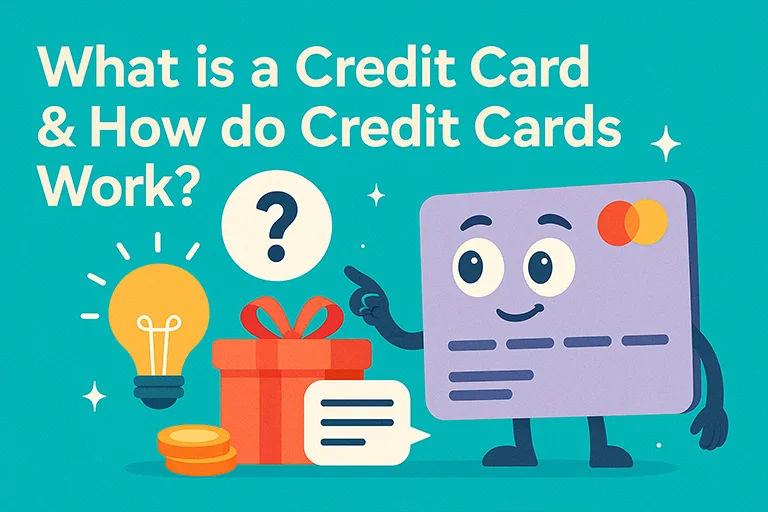
A credit card enables you to make purchases, pay bills, or withdraw cash, with the obligation to repay later, usually on a monthly basis. If you fail to pay in full, interest is charged on the outstanding balance.
How Do Credit Cards Work?
- Line of Credit: Every credit card comes with a credit limit, which is the maximum amount you can borrow. This limit is set based on your income, credit score, and repayment history. You can use your credit card within this limit and repay later.
- Making Purchases: Credit cards can be used for shopping online and offline, paying bills, booking travel tickets, and more. When you swipe your card or enter its details for an online transaction, the amount is deducted from your available credit limit.
- Billing Cycle and Due Date: A billing cycle is usually 30 days, after which the bank generates a statement mentioning all transactions made during the period. The due date is the deadline by which you must make at least the minimum payment to avoid late fees.
- Repaying the Debt: You can choose to pay the full amount, the minimum due, or any amount in between. Paying only the minimum amount keeps the card active but attracts interest on the remaining balance.
- Interest Charges: If you don’t pay the full bill before the due date, the remaining amount incurs interest. The interest rate on credit cards is typically high, ranging between 30-40% per annum.
Benefits of Using a Credit Card
- Convenience: Instant payments without carrying cash.
- Reward Programs: Cashback, points, discounts on shopping, travel, and dining.
- Credit Score Improvement: Regular usage and timely payments improve your CIBIL score.
- Interest-Free Period: You get 45-50 days to repay without interest if you clear dues on time.
- Emergency Fund: Helps during unexpected expenses.
Potential Risks of Credit Cards
- High Interest: If not repaid in full, interest accumulates rapidly.
- Debt Trap: Uncontrolled spending can lead to financial burdens.
- Late Payment Charges: Missing due dates attracts penalties and affects credit score.
- Fraud Risks: Online frauds and misuse can happen if card details are compromised.
Credit Card Processing
- Cardholder: You, the user making a purchase.
- Merchant: The seller accepting the payment.
- Acquiring Bank: The merchant’s bank that processes the transaction.
- Card Network: Visa, Mastercard, RuPay, etc., which authorizes the transaction.
- Issuing Bank: The bank that provided you the card and approves or declines transactions.
How Credit Card Interest Works (And How to Avoid It)?
Interest is charged when you don’t pay the full amount by the due date. It is calculated daily on the unpaid balance and can be very high.
How to Avoid Interest Charges?
- Always pay the full amount before the due date.
- Use your card within your repayment capacity.
- Leverage the interest-free period for payments.
- Convert large purchases into EMIs with lower interest rates.
Common Terms Related to Credit Card Usage
- Interest: The cost of borrowing if you don’t repay in full within the due date. Charged monthly on the unpaid balance.
- Credit Limit: The maximum amount you can spend on your credit card, determined by your bank.
- Billing Cycle: The duration for which transactions are recorded before generating a bill (usually 30 days).
- Minimum Payment: The least amount you must pay to avoid penalties, typically 5% of the outstanding balance.
- Balance: The total amount you owe on your credit card, including past purchases and interest.
- Credit Utilization Ratio: The percentage of credit limit you are using. A lower ratio (below 30%) helps maintain a good credit score.
- Interest-Free Period: The duration between a purchase and its due date when no interest is charged (usually 45-50 days).
Frequently Asked Questions
What is a Credit Card in simple words?
- A credit card is a financial tool that lets you borrow money from a bank to make purchases and pay later.
What are the uses of a Credit Card?
- Shopping online and offline
- Paying bills (electricity, mobile, rent, etc.)
- Booking flights, hotels, and movie tickets
- Cash withdrawal in emergencies
- Availing reward points and cashback
What are the advantages of using a Credit Card?
- Easy access to funds
- Interest-free period on purchases
- Helps in building credit history
- Offers rewards, discounts, and cashback
- Emergency financial backup
Can I withdraw money from a Credit Card?
- Yes, you can withdraw cash from an ATM using a credit card, but it attracts cash advance charges and high interest from the date of withdrawal.

Digital marketing professional with over 10 years of experience across multiple areas including WordPress website management, email marketing, SMS marketing, Mail server administration (Linux), Google Ads, and basic programmatic advertising (DSP). With hands-on experience in content management, affiliate marketing contributes to delivering optimized digital solutions and smooth website operations.