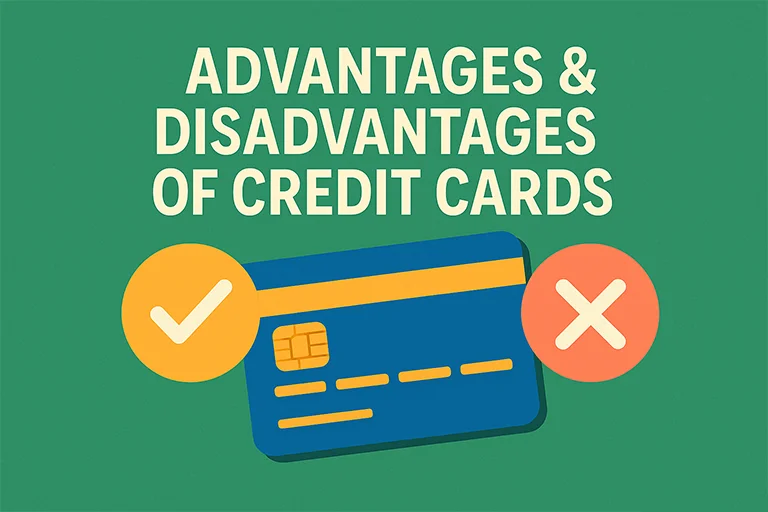
Credit cards have become an essential part of modern life, offering convenience, security, and a range of benefits. Whether you’re shopping online, booking travel tickets, or managing unexpected expenses, a credit card can be a useful financial tool when used wisely. Below are the advantages & disadvantages of using/holding a Credit Card-
Advantages of Credit Cards
| Advantage | Explanation |
|---|---|
| Convenience | Credit cards eliminate the need to carry cash. They are widely accepted in stores, online, and even for international transactions, making payments quick and hassle-free. |
| Recurring Payments | With a credit card, you can easily set up automated payments for utility bills, OTT subscriptions, insurance premiums, and other recurring expenses, ensuring you never miss a due date. |
| Recharges and Tickets | Credit cards allow easy mobile recharges, DTH payments, and ticket bookings for flights, trains, and buses. Many banks also offer discounts and cashback on these transactions. |
| Interest-Free Credit | Most credit cards offer an interest-free period of 45-50 days, giving you extra time to repay your expenses without incurring interest charges. |
| Rewards, Cashback, and Discounts | Credit cardholders can earn reward points, cashback, and discounts on various purchases. These benefits can be redeemed for vouchers, travel bookings, or statement credits, helping you save money. |
| Travel in Style | Many credit cards offer perks like airport lounge access, travel insurance, and discounts on hotel bookings and flight tickets, enhancing your travel experience. |
| Expense Tracker and Recordkeeping | Every transaction made with a credit card is recorded, helping users track their spending, analyze budgets, and plan finances effectively. |
| Security and Fraud Protection | Credit cards come with enhanced security features such as OTP verification, zero-liability protection, and fraud monitoring, making transactions safer compared to cash. |
| Build and Improve Credit Score | Using a credit card responsibly helps build a good credit history, improving your CIBIL score. This makes it easier to get loans and better interest rates in the future. |
| Purchase Protection | Credit cards often provide purchase protection, covering damages, theft, or loss of items purchased using the card within a specific period. |
| Low-Cost Loans and EMI Facility | Many banks offer low-interest loans against your credit limit and provide an EMI facility, allowing you to convert high-value purchases into affordable monthly installments. |
| Balance Transfer and Easy Loan Approvals | If you have debt on one card, you can transfer it to another card with a lower interest rate. A strong credit history also increases your chances of getting loans approved faster. |
| Additional Benefits and Member Perks | Credit cards offer exclusive privileges such as dining discounts, movie ticket offers, fuel surcharge waivers, and even complimentary insurance coverage. |
Disadvantages of Credit Cards
| Disadvantage | Explanation |
|---|---|
| Temptation to Overspend | The ease of using a credit card can lead to unnecessary purchases, pushing you beyond your budget and increasing financial strain. |
| High Interest Rates and Charges | If the outstanding balance is not paid in full, high interest rates apply. Many credit cards charge annual fees, late payment fees, and penalties that can add up over time. |
| Minimum Due Trap | Paying only the minimum due may seem convenient, but it leads to accumulating high-interest debt, making it harder to clear the full balance. |
| Hidden Costs and Surcharges | Credit cards may have hidden charges like fuel surcharges, foreign transaction fees, and processing fees, which can increase the overall cost of using the card. |
| Debt Accumulation and Perpetual Debt | Revolving credit, if not managed well, can result in an ever-growing debt cycle where repayments primarily cover interest rather than the principal amount. |
| Credit Damage | Late payments, overuse of credit limits, and excessive debt can lower your CIBIL score, affecting future loan approvals and creditworthiness. |
| Tricky Short-Term Teaser Rates | Some cards offer low introductory interest rates that increase significantly after a few months, catching users off guard with higher repayment costs. |
| Limited Cash Withdrawal Facility | Credit cards allow cash withdrawals, but they come with high-interest rates and additional fees, making it an expensive option compared to debit cards. |
| Fraudulence and Security Risks | Despite security measures, credit cards are prone to fraud, such as phishing, skimming, and unauthorized transactions, requiring users to remain vigilant. |
| Additional Expenses and Monthly Scrutiny | Frequent card usage often leads to unexpected expenses, and users must constantly review statements to ensure accuracy and avoid unnecessary charges. |
Frequently Asked Questions (FAQs) about Advantages & Disadvantages of Credit Cards
What is the insurance that a Credit Card offers?
Most credit cards provide travel insurance, purchase protection, and fraud liability coverage, offering financial security in case of loss or theft.
Are Credit Cards beneficial for international travel?
Yes, credit cards are highly useful for international travel as they offer currency conversion, travel insurance, and global acceptance.
Are Credit Cards convenient for shopping?
Absolutely! Credit cards provide ease of payment, discounts, cashback, and EMI options, making shopping more rewarding.
What is the purpose of a Credit Card?
A credit card allows users to make purchases on credit, build a credit history, and enjoy financial flexibility with various benefits.
Do Credit Cards impact credit scores?
Yes, responsible credit card usage improves credit scores, while late payments or high utilization can negatively affect them.
Is using a Credit Card a good thing?
Yes, if used wisely. Timely payments and controlled spending help maximize benefits while avoiding debt traps.
How much credit limit can I use?
You can use up to your assigned credit limit, but it’s advisable to keep usage below 30% to maintain a good credit score.
Should I take a loan or use the EMI facility on my credit card?
If interest rates are lower, a personal loan might be a better option. However, credit card EMIs offer convenience for smaller purchases.
Can I pay the minimum amount due?
Yes, but it’s not advisable as it leads to interest accumulation, increasing your overall debt.
Do credit cards offer a credit-free period?
Yes, most credit cards offer an interest-free period of up to 50 days if you pay the full balance by the due date.
Will I be able to withdraw cash from my credit card?
Yes, but cash withdrawals attract high interest rates and additional fees, making it an expensive option.

Digital marketing professional with over 10 years of experience across multiple areas including WordPress website management, email marketing, SMS marketing, Mail server administration (Linux), Google Ads, and basic programmatic advertising (DSP). With hands-on experience in content management, affiliate marketing contributes to delivering optimized digital solutions and smooth website operations.